Programming
"Everyone in this country should learn to program a computer, because it teaches you how to think." - Steve Jobs 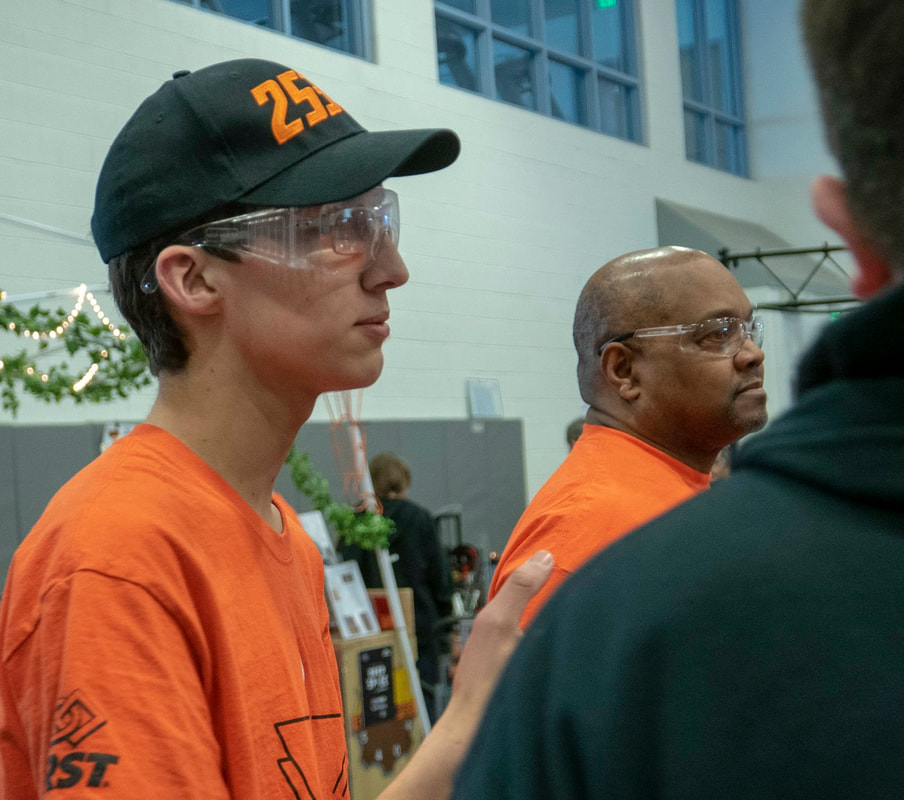
|
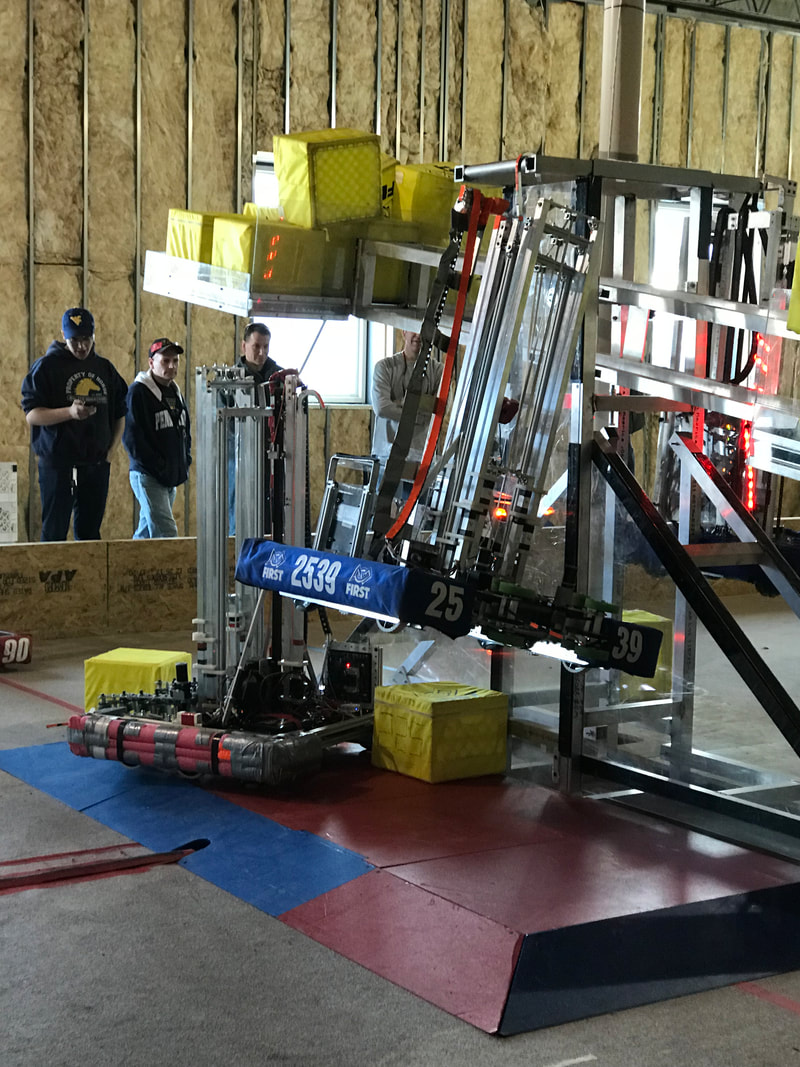
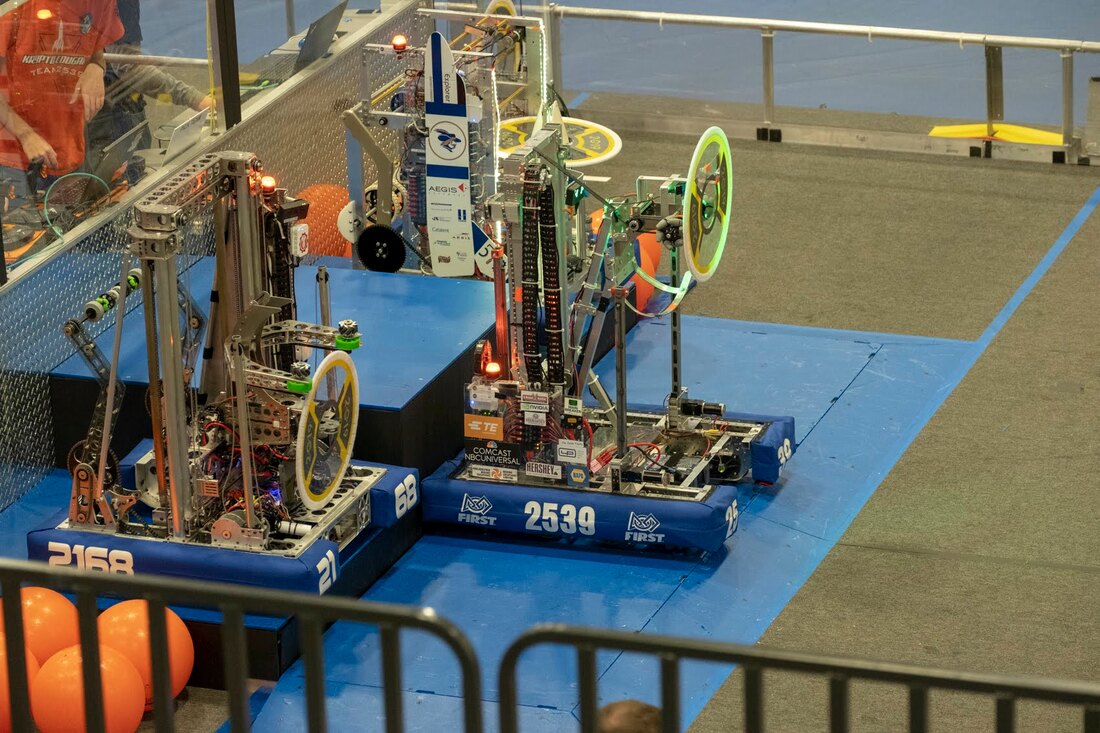
The Krypton Cougars would not be where they are today if it was not for the amazing autonomous programs they started to develop. In 2018, we pulled off amazing feats like going to the Scale with a cube at the start of the match, scoring on it, then quickly spinning around to get another cube, and scoring on the switch. Although it was rare that this was accomplished, it has happened. Another more common achievement is the two-cube Switch. The team would start in the center position, score on our selected Switch, return, grab another cube, than do it again. This helped get more auto points, and it earned the Krypton Cougars a good reputation in the programming field. The team also has strengths in other areas than autonomous. The team was very talented at creating good driving and scoring programs, as well as creating efficient button layouts for both the driver and operator. Team 2539 has a growing interest in programming, which is amazing in this fast-developing world. The team hopes that programming remains popular and interesting throughout the years.
|
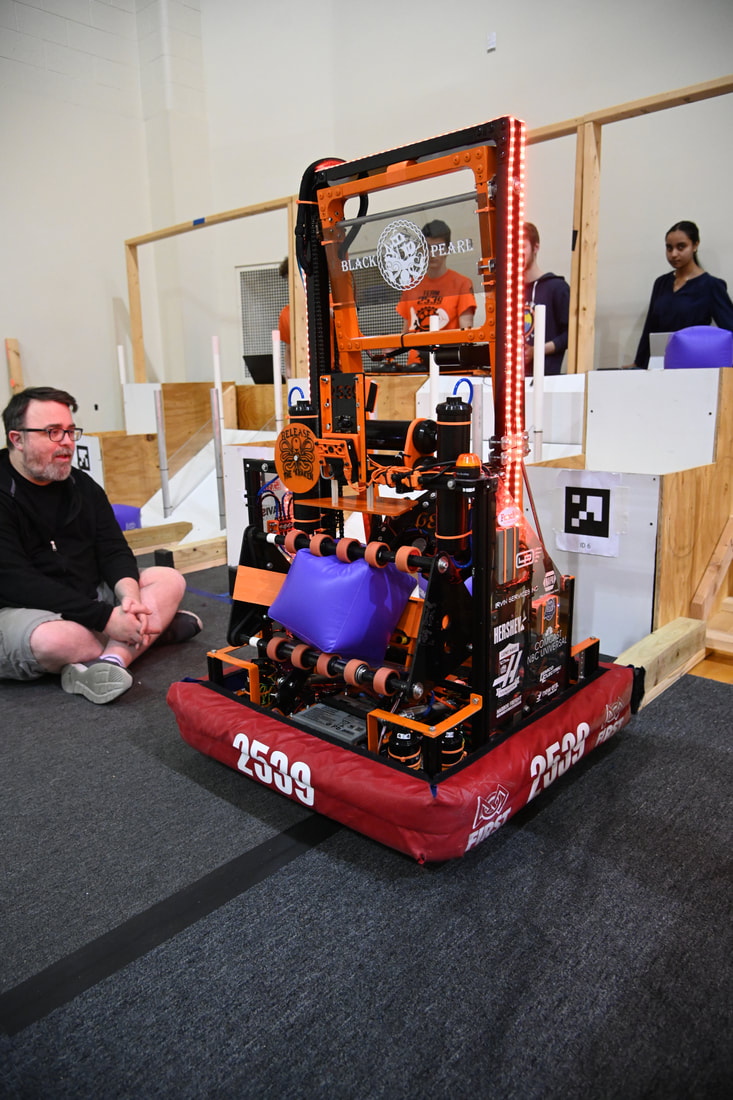
From Autonomous to Tele-Operated, programming on Team 2539 has always been crucial, and very important to us. The Krypton Cougars have started out using C++, but from 2016-2022 they used Python, and finally switched to Java in 2022. The switch to java was for better performance, and better third party library support. The team always has continuous improvement ant hey are always doing more and trying new things.
Team 2539
|
Support |
|